

The Financial Impact of Frequent Visits
Regular visits to casinos can lead to significant financial strain that often goes unnoticed until it is too late. The initial costs are usually apparent, with money spent on gaming chips and bets. However, players may not realize how quickly these expenses accumulate, especially when the thrill of the game leads to impulsive decisions. Many are drawn to the excitement of an online casino , where a night out can turn into a weekend getaway, resulting in hundreds or even thousands of dollars lost in the heat of the moment.
Additionally, frequent casino visitors often overlook the costs associated with transportation, dining, and accommodations. Whether driving to a local establishment or flying to a more extravagant venue, these costs add up quickly. For instance, parking fees, tolls, or gas can seem trivial but, over time, represent a considerable sum that contributes to the overall expenditure. Furthermore, the temptation of upselling in restaurants and bars within casino complexes can lead to overspending on meals and drinks, further inflating the budget.
It’s also essential to consider the enticing promotions and loyalty programs that can inadvertently encourage more frequent visits. While these programs aim to reward players, they often create an illusion of value, making players believe they are getting better deals or discounts. In reality, these incentives can lead to spending more money than intended, as individuals chase after rewards that may never cover their initial losses. The cycle of trying to recoup losses often leads to increased spending, making the financial toll of regular casino visits much heavier.
The Emotional and Psychological Costs
The emotional toll of frequent casino visits can be just as significant as the financial implications. Many individuals may enter a casino with the mindset of having a good time, but the reality can be far different when losses mount. Continued visits can lead to feelings of frustration, anxiety, and depression, especially when the thrill of winning becomes overshadowed by the disappointment of losses. This emotional rollercoaster can make it difficult for players to enjoy their gaming experience, turning it into a source of stress rather than entertainment.
Moreover, the social aspects of gambling can contribute to emotional distress as well. Players often feel pressure from friends or peers to keep playing, which can lead to a sense of obligation rather than enjoyment. This social pressure can amplify the psychological effects of gambling, making people feel trapped in an environment that no longer provides joy. As friendships and relationships may be tested by differing attitudes toward gambling, the emotional ramifications can ripple beyond the casino floor and into everyday life.
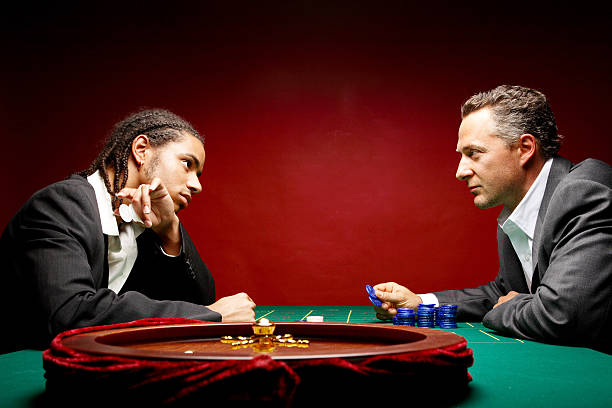
Over time, the psychological effects can evolve into unhealthy habits and compulsive behaviors. Individuals may find themselves using gambling as an escape mechanism to cope with stressors or unresolved issues in their lives. This tendency to use gambling as a quick fix can lead to addiction, where the need to gamble overshadows all other responsibilities and relationships. Such addiction complicates recovery, as individuals must confront the emotional and psychological turmoil that gambling brings into their lives.
The Time Investment and Opportunity Costs
Frequent casino visits require a significant investment of time, which can lead to various opportunity costs. Time spent at a casino can easily consume entire days or weekends, depriving individuals of opportunities to engage in more productive or fulfilling activities. For instance, while a player might think they are enjoying leisure time, the hours spent gambling could have been dedicated to hobbies, exercise, or quality time with family and friends. As time accumulates, the long-term effects of these lost moments can be substantial.
Moreover, the time commitment associated with frequent casino visits can also affect professional lives. Individuals may find themselves neglecting work responsibilities or missing deadlines due to late nights at the gaming tables. This disruption can lead to decreased productivity and could even jeopardize job security. The consequences of allowing gaming to interfere with professional commitments can prove detrimental, creating a cycle where financial losses at the casino are compounded by potential loss of income through job instability.
On a broader scale, the time invested in gaming can lead to a lack of balance in one’s life. By prioritizing casino visits, individuals may inadvertently neglect personal development, such as education or skill-building opportunities. Not only does this affect their personal growth, but it also shapes their social interactions and overall fulfillment in life. The impact of consistent gambling on one’s timeline can create a gap between aspiration and reality, often leaving individuals feeling unfulfilled.
The Relationship Costs
The frequent pursuit of thrills in casinos can strain personal relationships, creating a ripple effect that impacts family and friendships. Often, gamblers may prioritize their time and resources toward gambling activities, leaving less time for loved ones. As relationships begin to suffer due to neglect and a lack of communication, the isolation that follows can exacerbate the gambling problem. Partners may feel abandoned or less valued, leading to tension and conflict that can escalate over time.

In many cases, families may face financial difficulties stemming from one member’s gambling habits. When money is misallocated toward gambling instead of essential household expenses, resentment can build, resulting in arguments and emotional distance. The stress from financial strain often leads to a negative cycle, where communication breaks down and misunderstandings grow. Such scenarios can become detrimental, sometimes resulting in the dissolution of relationships altogether.
Furthermore, the stigma surrounding gambling addiction can make it difficult for individuals to seek help or confide in their loved ones about their struggles. Even when a person recognizes that their gambling habits are damaging their relationships, shame and guilt can prevent them from addressing the issue. This silence can perpetuate the problem, isolating the individual further and complicating their path to recovery. Ultimately, the relationship costs of frequent casino visits can extend beyond personal connections to include work and social circles, impacting overall community dynamics.
Understanding the Overall Costs and Benefits
Understanding the overall costs associated with frequent casino visits is essential for making informed decisions about gambling habits. While the allure of potential winnings draws many individuals to casinos, the hidden costs, including financial, emotional, and relational impacts, cannot be ignored. A balanced approach that weighs the thrill of gambling against these costs is necessary for creating a sustainable gaming experience. Responsible gambling emphasizes the importance of setting limits and being aware of personal spending habits to avoid falling into detrimental patterns.
Moreover, individuals can cultivate a healthier relationship with gambling by exploring alternatives that provide similar thrills without the same level of risk. Engaging in social games, attending events like movie nights or sporting events, or pursuing hobbies that involve competition can offer excitement without the accompanying financial and emotional baggage. Learning to find joy and fulfillment outside the casino can lead to more meaningful experiences, reducing the dependency on gambling as a primary source of entertainment.
Ultimately, awareness of the hidden costs of frequent casino visits is crucial for individuals to maintain control over their gambling habits. By understanding the broader implications of their choices, individuals can develop healthier gaming practices and enjoy the experience without facing the potential pitfalls of excessive gambling. Creating a balance between these activities and personal life is key to ensuring that gaming remains a fun and enjoyable pastime rather than a source of stress and hardship.